Blood-based aging clocks suggest that shingles vaccination may modestly slow molecular aging processes in later life, without clear effects on neurodegeneration or cardiovascular health.
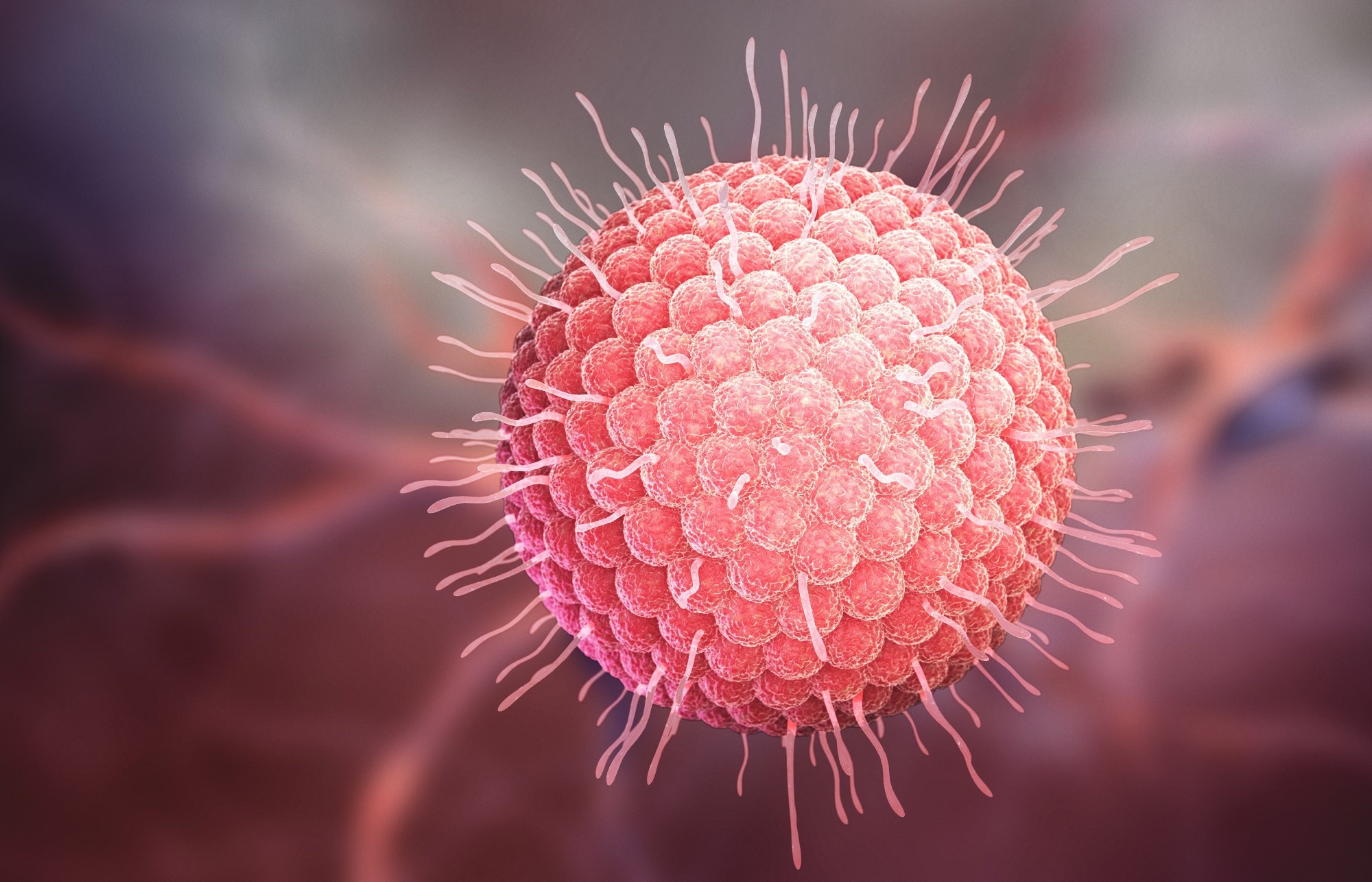
Varicella zoster virus or varicella-zoster virus (VZV) 3D illustration. Image Credit: Tatiana Shepeleva / Shutterstock. Association between shingles vaccination and slower biological aging: Evidence from a U.S. population-based cohort study
In a recent study published in The Journals of Gerontology, Series A: Biological Sciences and Medical Sciences, researchers analyzed data from a nationally representative cohort of US adults aged 70 and older to determine whether the shingles vaccine is associated with slower biological aging. Study findings revealed that vaccinated individuals displayed significantly more favorable profiles of systemic inflammation, epigenetic aging, and transcriptomic aging than their unvaccinated peers, with effect sizes that were statistically robust but modest in magnitude.
Notably, while vaccination was associated with a lower composite biological aging score, suggesting systemic benefits, no significant associations were observed for specific blood biomarkers of neurodegeneration or cardiovascular hemodynamics. These findings add to a growing body of evidence demonstrating vaccinations’ health benefits beyond immunology, highlighting the potential of shingles immunizations to act as putative molecular-level “geroprotective” interventions, without evidence of direct effects on clinical aging outcomes.
Vaccines and the Biology of Aging
Since their discovery in 1796, vaccines have been viewed primarily as specific tools designed to train the immune system against a single pathogen, such as COVID-19 vaccines against the SARS-CoV-2 virus or the shingles vaccine against Varicella zoster, the virus responsible for chickenpox and shingles.
However, recent epidemiological studies increasingly hint at vaccinations’ “off-target” effects, suggesting that certain vaccines might lower the long-term risk of conditions like dementia and cardiovascular disease. These tests prompted research aimed at investigating the hypothesis that vaccines might influence fundamental biological processes of aging, as reflected in molecular and cellular biomarkers rather than overt disease endpoints.
One such process is “inflammaging”, the chronic, low-grade inflammation that naturally increases as we get older and drives many age-related diseases, including cardiovascular diseases (CVDs) and cancers. Prior research has established that Varicella zoster remains latent in the body after a childhood chickenpox infection and can reactivate later in life, potentially fueling this systemic inflammation.
Consequently, the authors of the present study hypothesized that by suppressing this viral reactivation, the shingles vaccine might reduce the body’s overall inflammatory load and slow the inflammation-exacerbated molecular clock, thereby potentially delaying biological aging as measured by validated aging biomarkers.
Study Design and Population
The present study examined this hypothesis using observational cohort data, drawing on information from the Health and Retirement Study (HRS), a large-scale, longitudinal project that tracks older adults in the United States (US). Notably, unlike previous studies on the topic, which primarily relied on medical records, the present research used direct blood sample analyses to quantify biological aging.
The study sample cohort comprised 3,884 participants aged 70 or older, with sociodemographic data and blood samples obtained from the 2016 Venous Blood Study.
Measures of Biological Aging
The study measured biological aging by examining seven distinct biological domains: inflammation, innate immunity, adaptive immunity, cardiovascular hemodynamics (blood pressure and pulse), neurodegeneration, epigenetic aging, and transcriptomic aging, with a composite biological aging score derived from all domains except adaptive immunity.
Participant blood samples were consequently analyzed for three key biomarker categories.
Epigenetic clocks measured chemical changes to DNA (methylation) that correlate with mortality and physiological decline, specifically using the GrimAge and DunedinPACE clocks.
Transcriptomic age (TraMA) represented a high-resolution measure of gene expression profiles related to immune function and somatic stress responses.
Inflammatory markers included levels of proteins such as C-reactive protein (CRP) and interleukin-6 (IL-6), which have been previously established as markers of systemic inflammation.
Inverse probability of treatment weighting (IPTW) was used to adjust for sociodemographic factors, including education, income, smoking history, and chronic conditions, to better isolate associations with vaccination status.
Associations Between Vaccination and Aging Biomarkers
The study analyses revealed that receiving the shingles vaccine was significantly associated with a younger biological profile across several domains. The most robust findings emerged from the epigenetic clocks analysis, in which vaccinated individuals showed significantly slower epigenetic (b = −0.17, p = 0.0001) and transcriptomic (b = −0.19, p < 0.0001) aging than their unvaccinated peers, indicating relative differences in aging pace rather than reversal of aging processes.
The analysis of inflammatory markers revealed that vaccination was further associated with lower inflammation scores (b = −0.14, p = 0.0027), supporting the hypothesis that the vaccine may dampen the chronic inflammatory burden linked to latent viral activity.
Timing of Vaccination Effects
When the researchers examined the timing of vaccination, they observed distinct patterns. Improvements in DNA methylation (epigenetic aging) and gene expression (transcriptomic aging) were most pronounced among participants vaccinated within the previous three years. In contrast, associations with lower inflammation and innate immunity scores appeared later, becoming significant only among those vaccinated four or more years prior.
Unexpectedly, shingles vaccination was associated with higher adaptive immunity scores, which in this scoring framework indicate poorer adaptive immune function, a finding the authors note warrants further investigation.
Null Findings for Neurodegeneration and Cardiovascular Measures
Despite previous reports linking shingles vaccines to reduced dementia risk, the present analyses did not reveal significant associations between vaccination and specific blood biomarkers of neurodegeneration, such as neurofilament light chain (NfL), glial fibrillary acidic protein (GFAP), phosphorylated tau, or amyloid-beta ratios. Similarly, no significant associations were observed for cardiovascular hemodynamic measures, underscoring a dissociation between molecular aging markers and established clinical risk indicators.
Interpretation and Implications
The present study provides biological evidence that shingles vaccination is associated with slower aging-related changes at a molecular level. By potentially suppressing latent viral reactivation, the vaccine appears to reduce systemic inflammation and decelerate epigenetic and transcriptomic aging measures, without demonstrating direct effects on neurodegenerative or cardiovascular biomarkers.
Notably, participants in this study likely received Zostavax, an older live-attenuated shingles vaccine. The newer recombinant vaccine, Shingrix, is hypothesized to be more immunogenic and may offer even more substantial aging-related benefits, though this remains speculative and requires direct investigation.
As the biomarker data are cross-sectional and derived from observational analyses, the authors caution that residual confounding cannot be fully excluded and that longitudinal and experimental studies are needed to confirm causal effects and to determine whether these molecular associations translate into meaningful clinical benefits.
 AI analysis maps a century of global aging research